

Why Concrete Repairs Should Address More Than the Visible Defect
7th Jul 2026
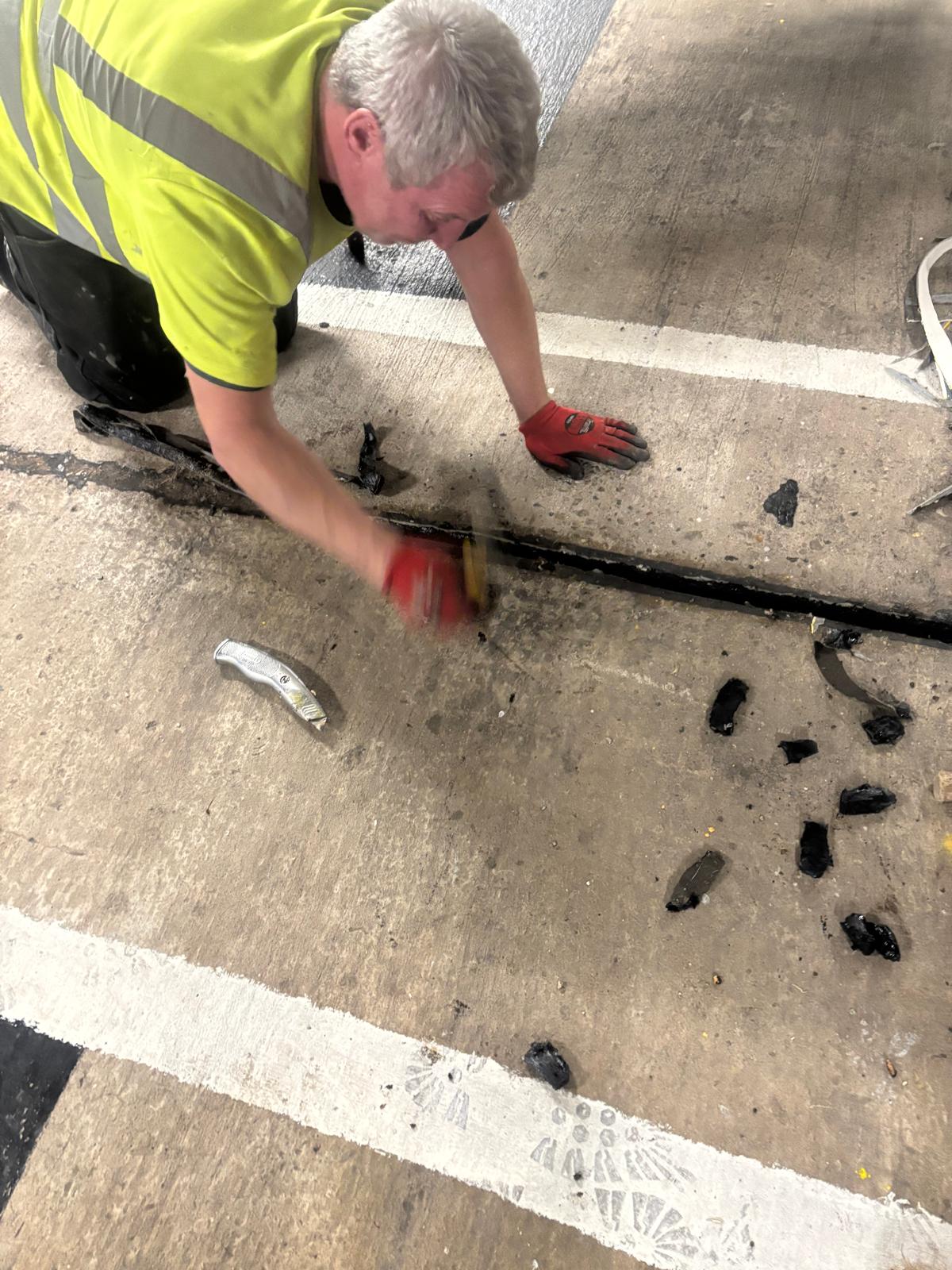
Movement joints are designed to accommodate movement. When they stop doing so effectively, the consequences can extend far beyond a failed sealant.
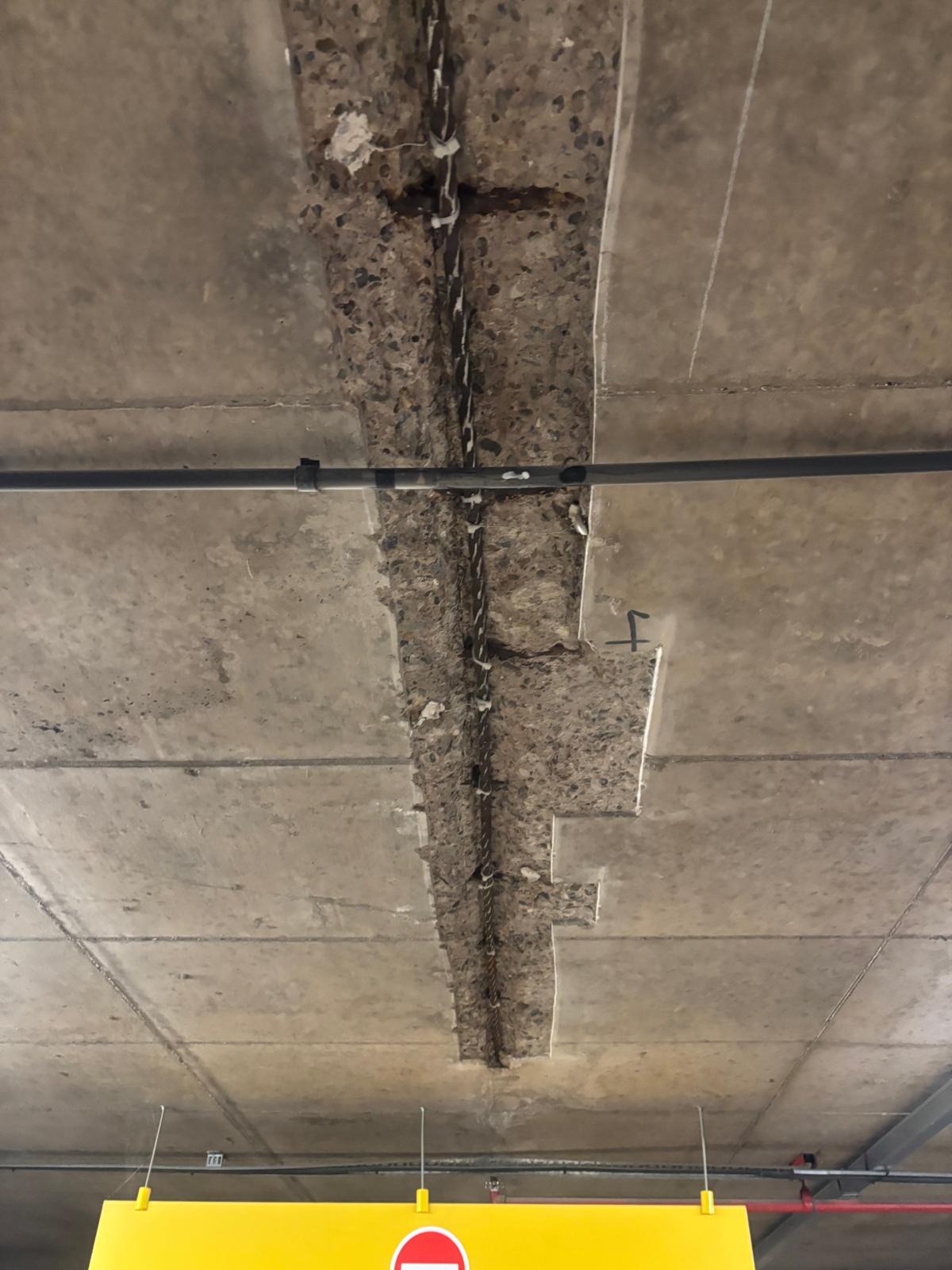
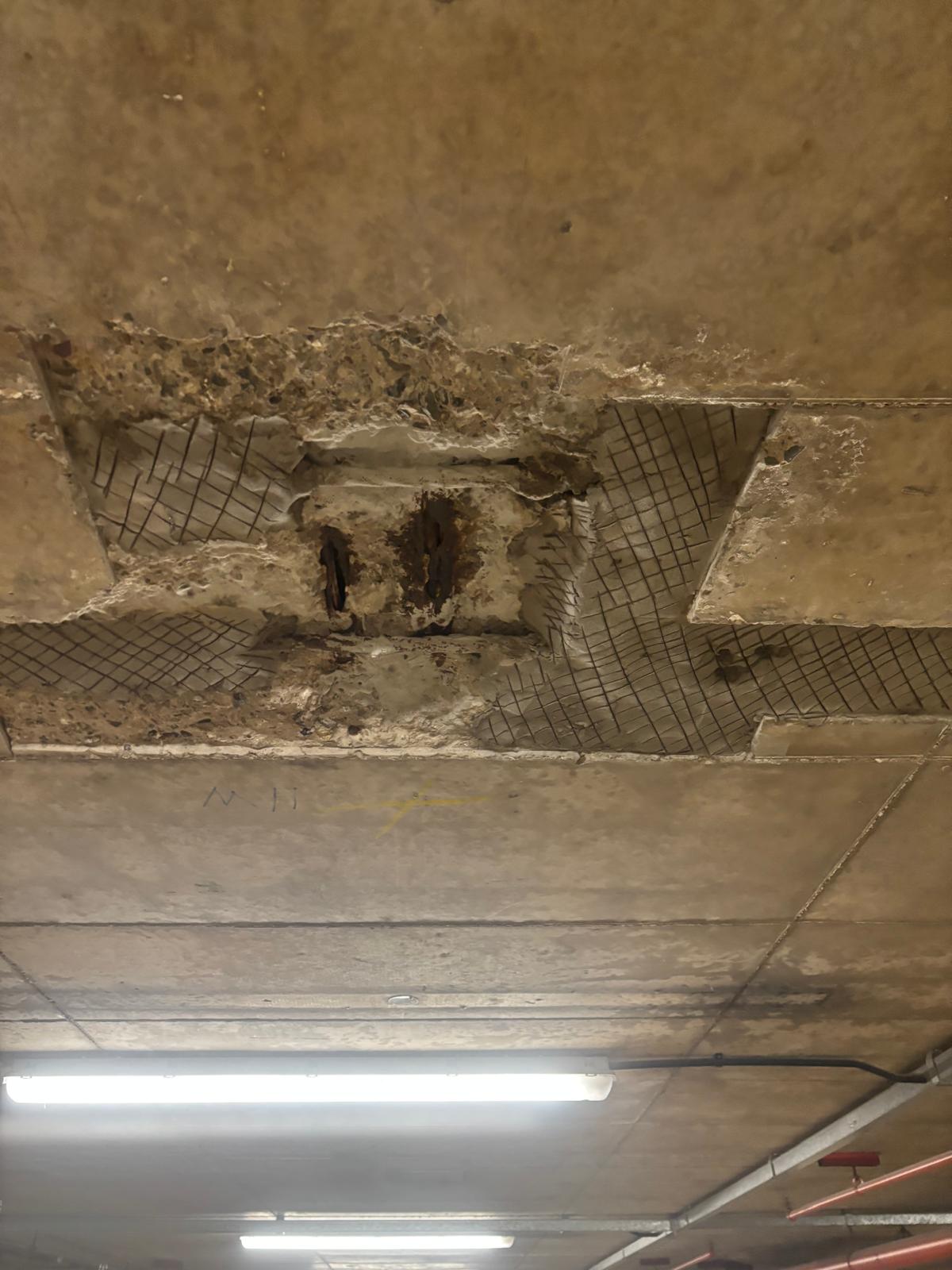
In reinforced concrete structures, movement joint deterioration can allow moisture and contaminants to penetrate deep into the structure. Over time, this can contribute to concrete defects, reinforcement corrosion and a reduction in the long-term durability of the asset.
What’s often overlooked is that the visible defect is only part of the problem.
Where localised concrete repairs are required, consideration should also be given to the electrochemical effects that can occur between repaired and unrepaired concrete. Without appropriate mitigation measures, corrosion can continue to develop adjacent to repair locations.
This is why sacrificial galvanic anodes are increasingly being incorporated into concrete repair strategies. Installed within repair areas and connected directly to the reinforcement, they help reduce the risk of future corrosion and support the long-term performance of the repair. Anodes are effected within chloride rich environments to protect repairs.
A successful concrete repair scheme should therefore address:
✔ The cause of deterioration, not just the symptoms
✔ Water ingress pathways and failed movement joints
✔ Reinforcement condition and continuity
✔ Long-term corrosion mitigation
✔ Whole-life durability of the structure
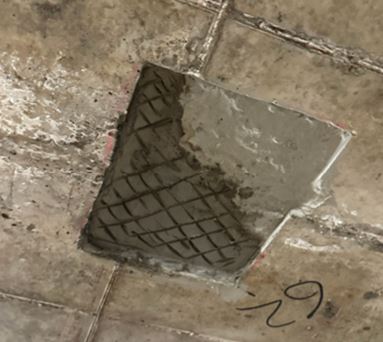
The photographs illustrate how movement-related defects can manifest through multiple structural elements and why a holistic repair approach is often required.
Back to Blog