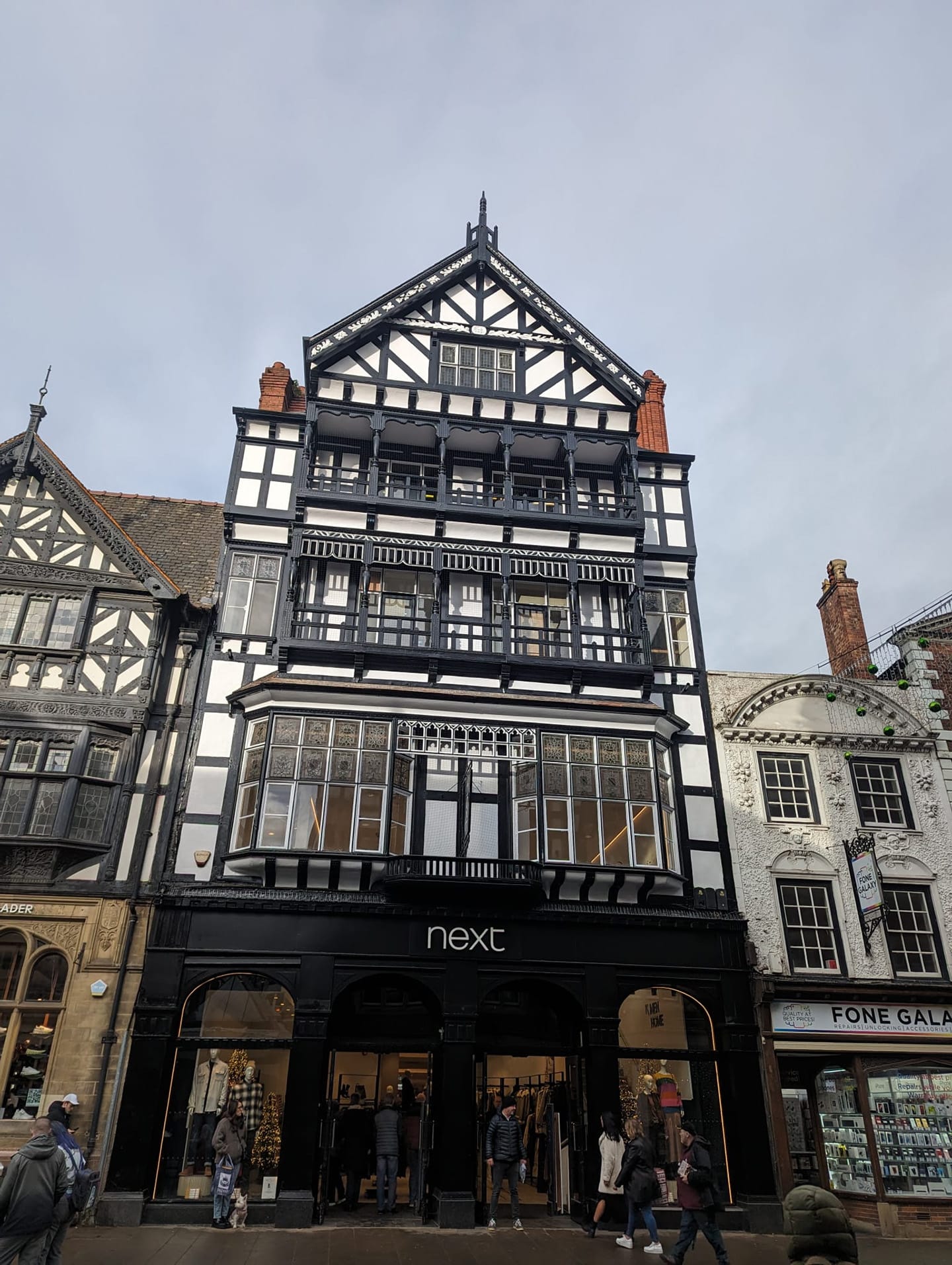
Timber Restoration

Specialist timber repairs, conservation and restoration for historic and listed buildings.

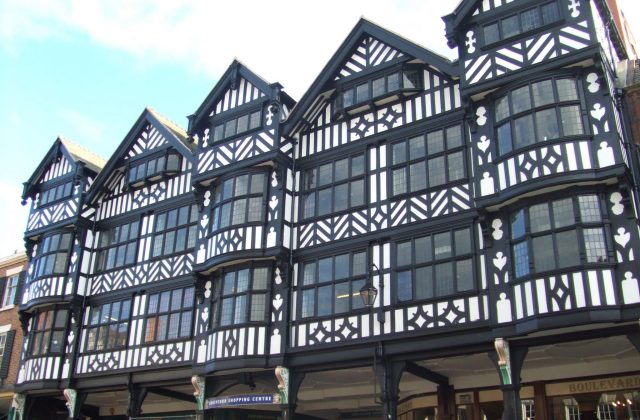
Historic timber structures require specialist knowledge, careful investigation and sympathetic repair techniques. Quadriga provides timber restoration services across a wide range of heritage assets, helping preserve the character, integrity and longevity of historic buildings.

Contact Us

Timber-Restoration

What is timber restoration?

Timber restoration is the process of repairing, strengthening and conserving existing timber elements to extend their service life whilst preserving as much original material as possible. Unlike wholesale replacement, timber restoration focuses on addressing specific areas of deterioration, allowing the original structure to remain in use wherever practicable.

Timber restoration can range from localised repairs to decayed sections of timber through to the strengthening of structural beams, roof structures, floor timbers, windows, doors and other architectural features.

Successful timber restoration begins with understanding the condition of the timber and the underlying causes of deterioration. Moisture ingress, fungal decay, insect attack and structural movement can all contribute to timber failure, and effective repairs must address both the visible damage and the factors that caused it.

At Quadriga, our approach combines traditional conservation principles with modern repair techniques to deliver durable timber repairs that maintain structural integrity whilst preserving the character of the building.

treating-timber-decay-AI

Timber Repairs in Listed Buildings

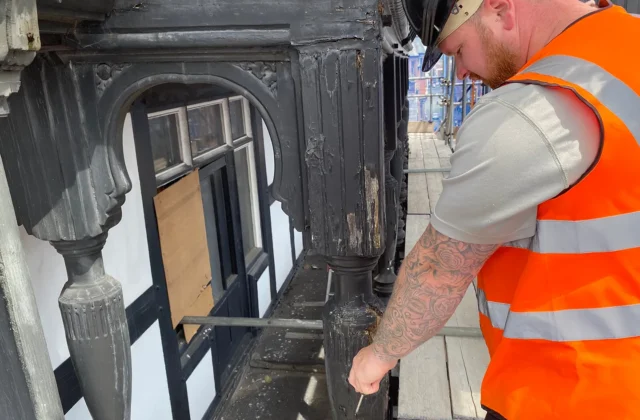
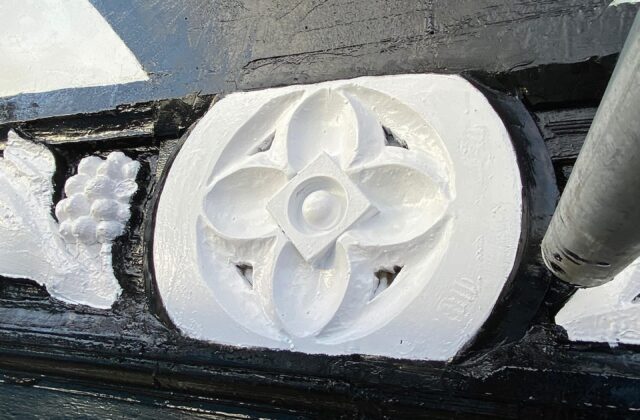
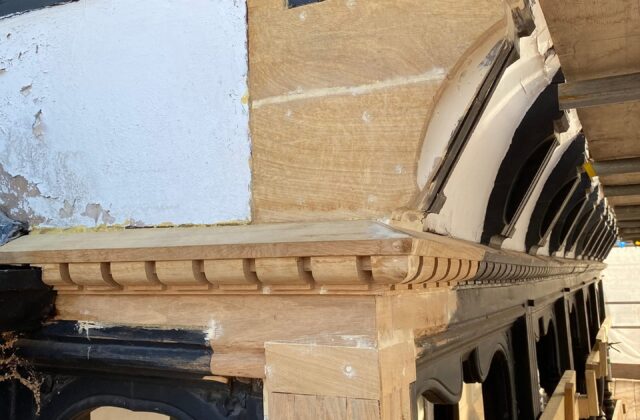
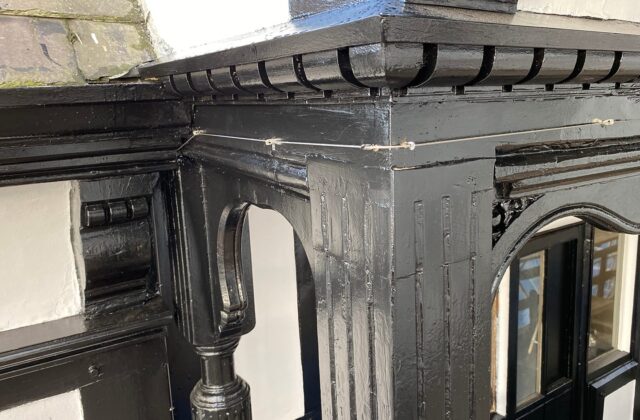
Timber repairs within listed and historic buildings require careful consideration to ensure that the character, significance and historic fabric of the asset are preserved.

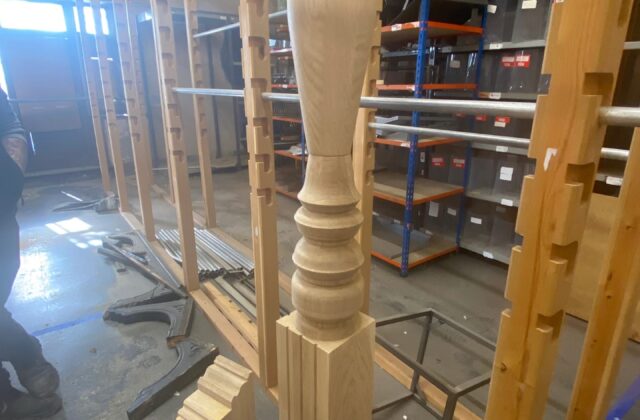
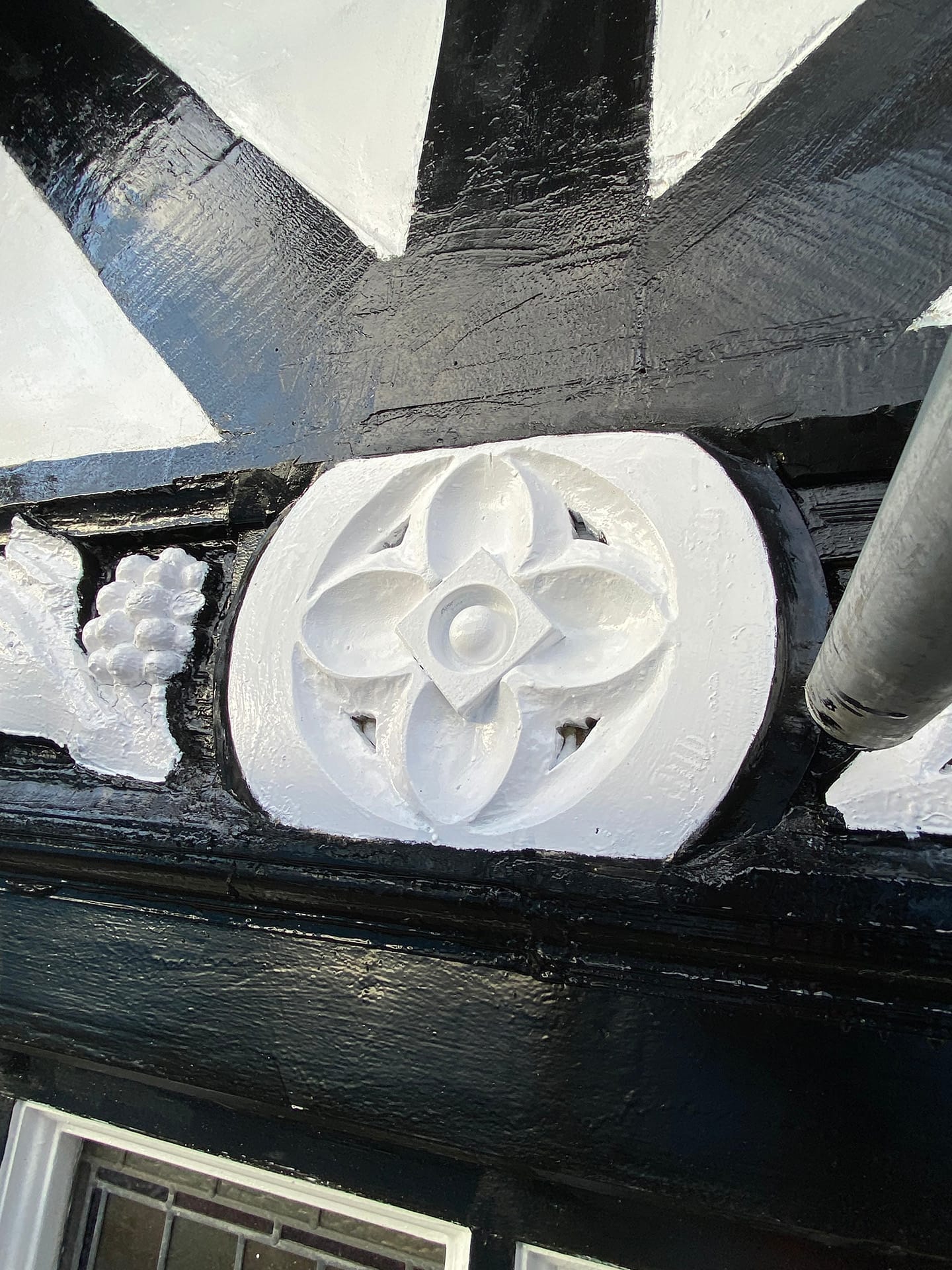
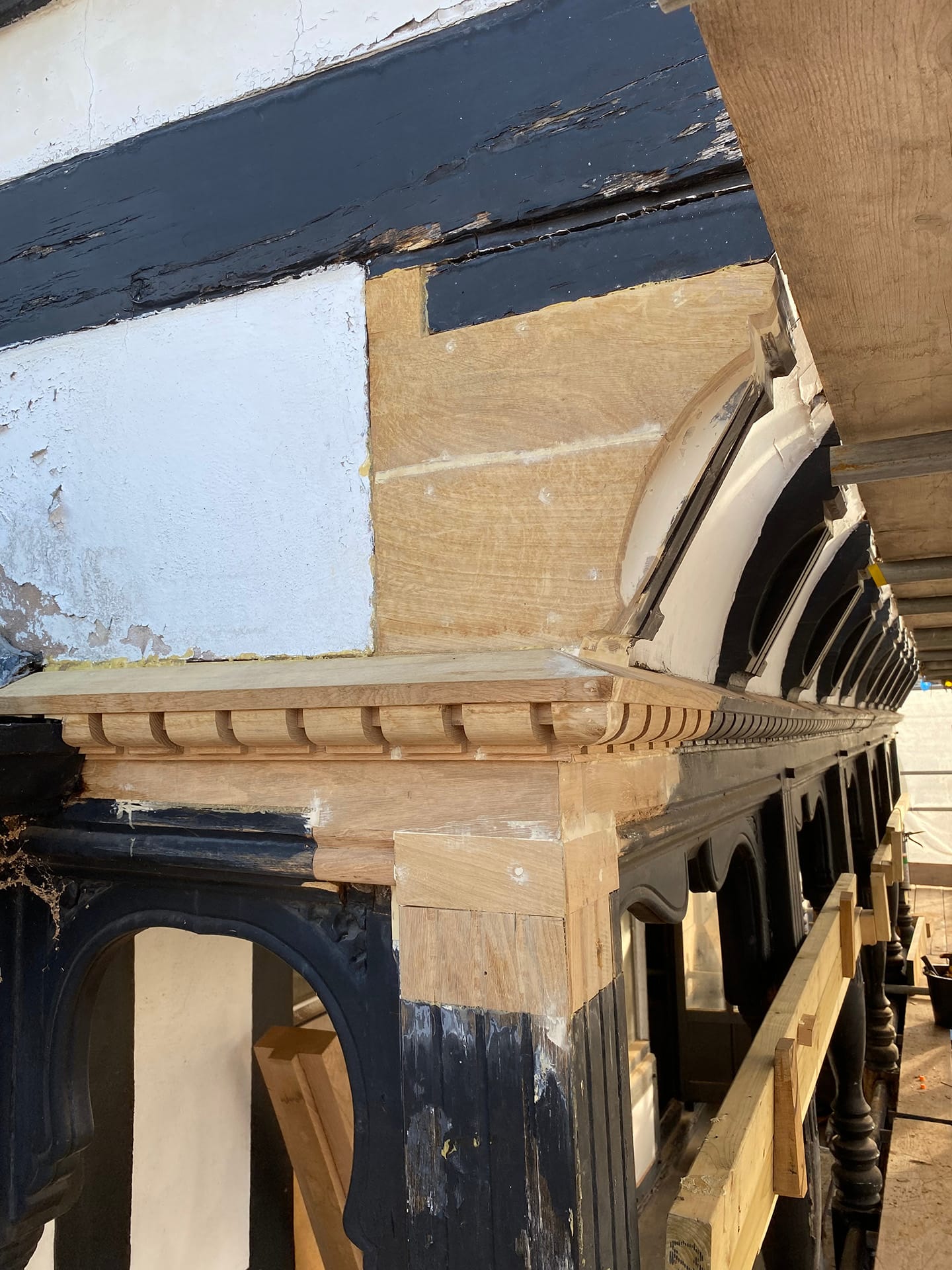
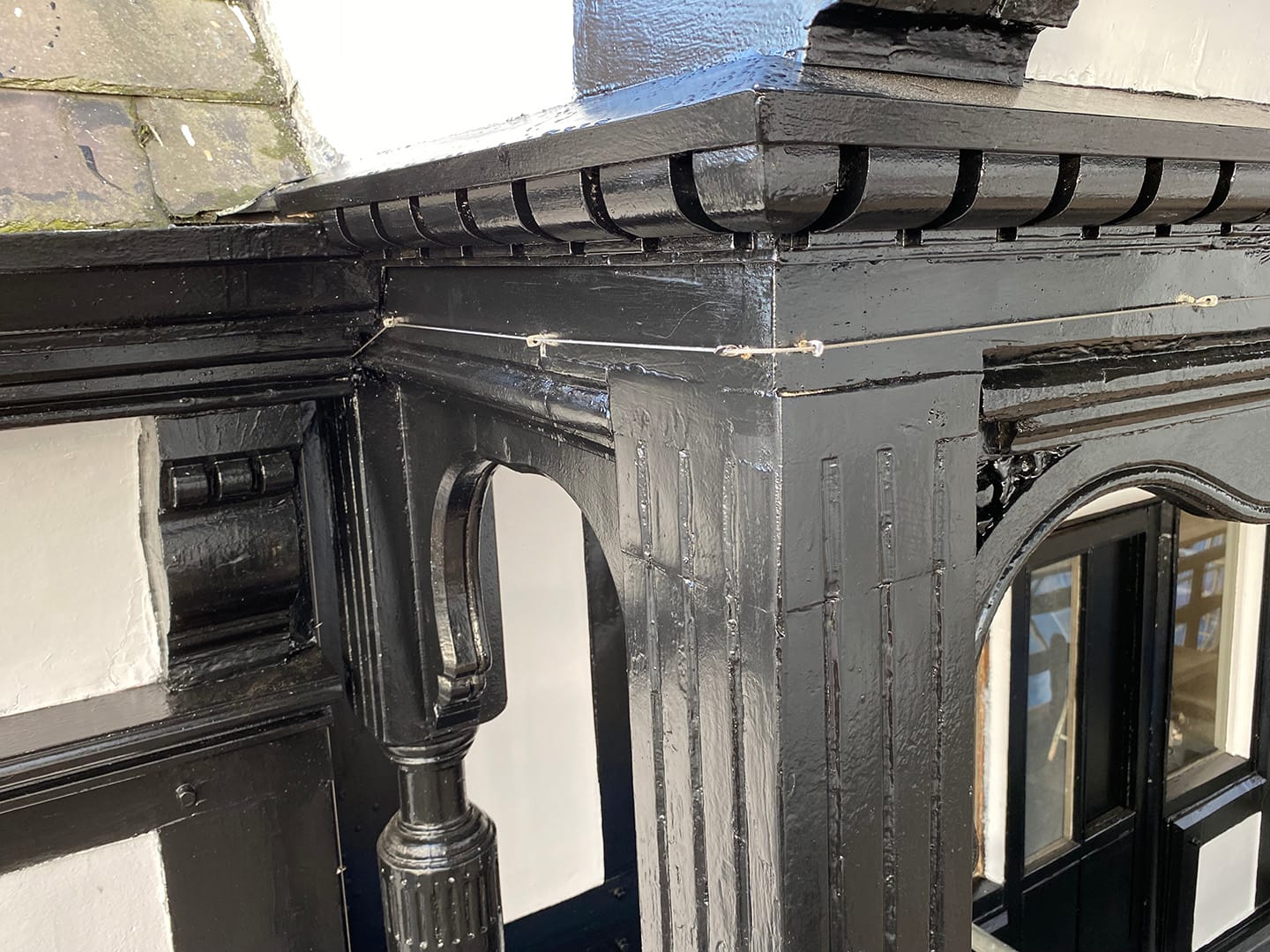
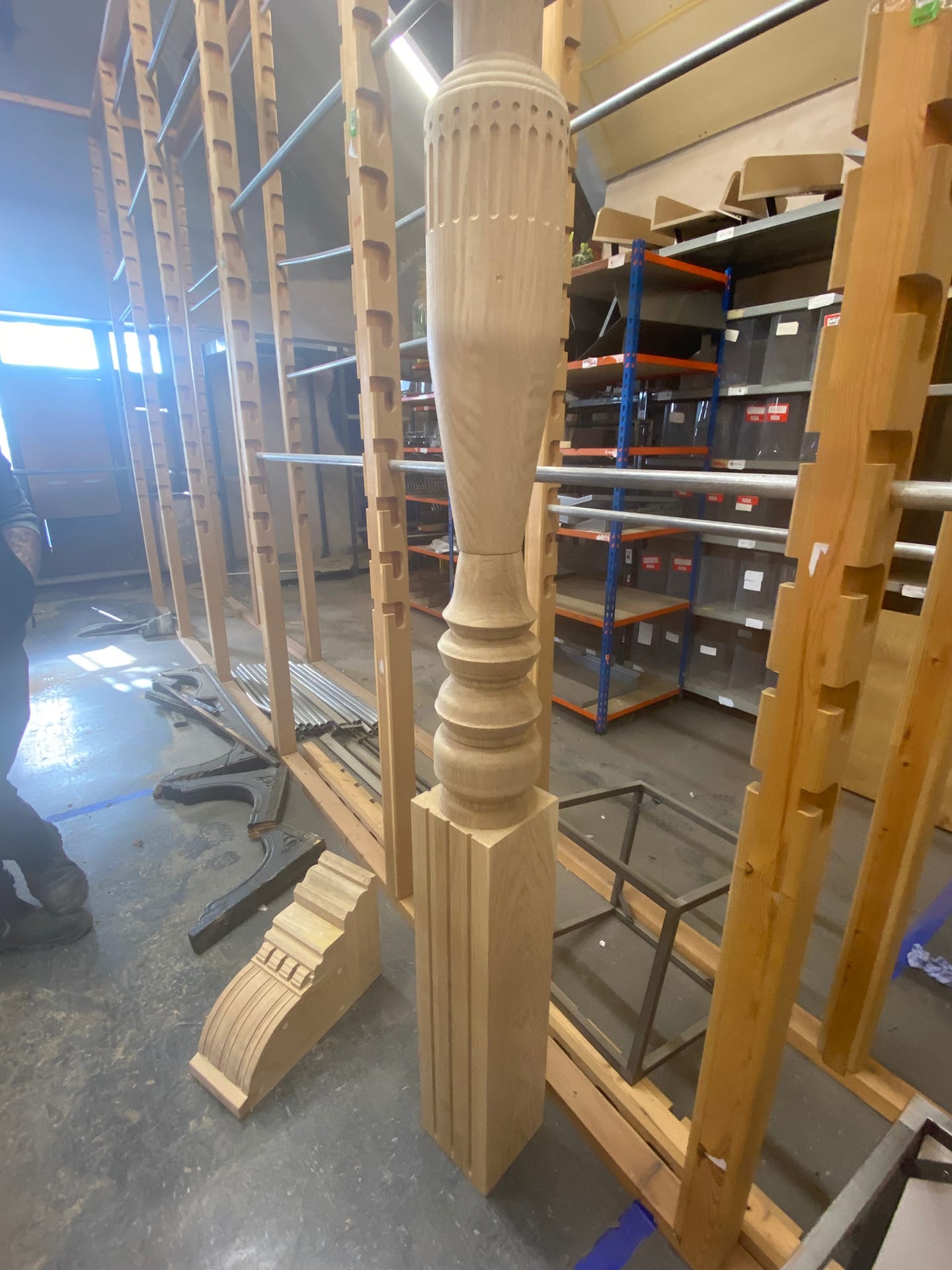
Where replacement is necessary, new timber should be carefully selected and detailed to complement the existing structure. Consideration should be given to timber species, dimensions, profiles and traditional construction methods to ensure repairs remain sympathetic to the historic building.

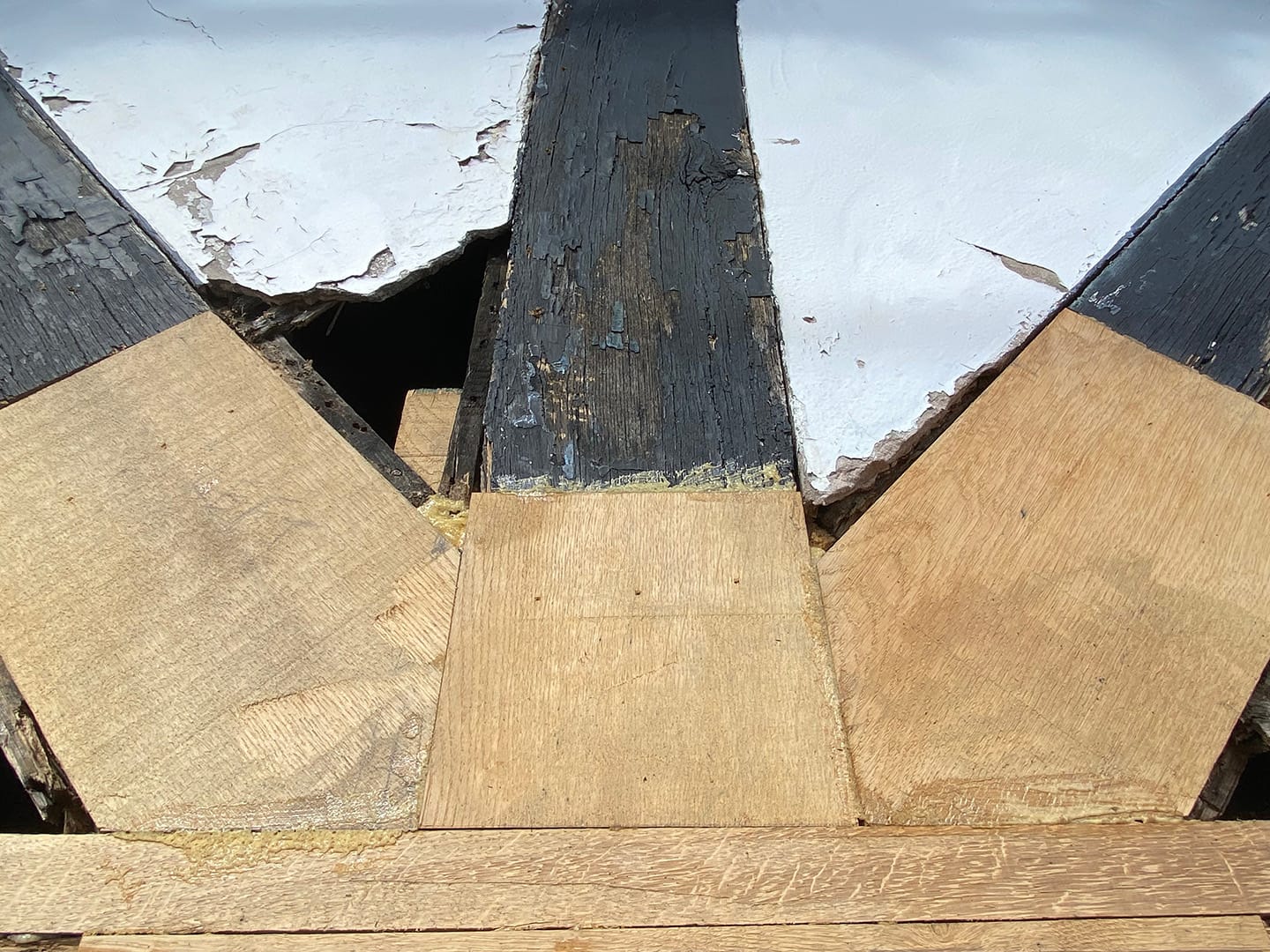
Whilst repairs are often designed to blend seamlessly with the existing structure, there are occasions where it is appropriate for new interventions to remain subtly identifiable on closer inspection. This allows the building to tell its own story, acknowledging the evolution of the structure and ensuring that repairs are honest, respectful and do not create a false impression of the building’s history.

Through careful investigation, considered design and skilled workmanship, historic timber structures can often be repaired and preserved for future generations.

Common Timber Defects

Wet Rot

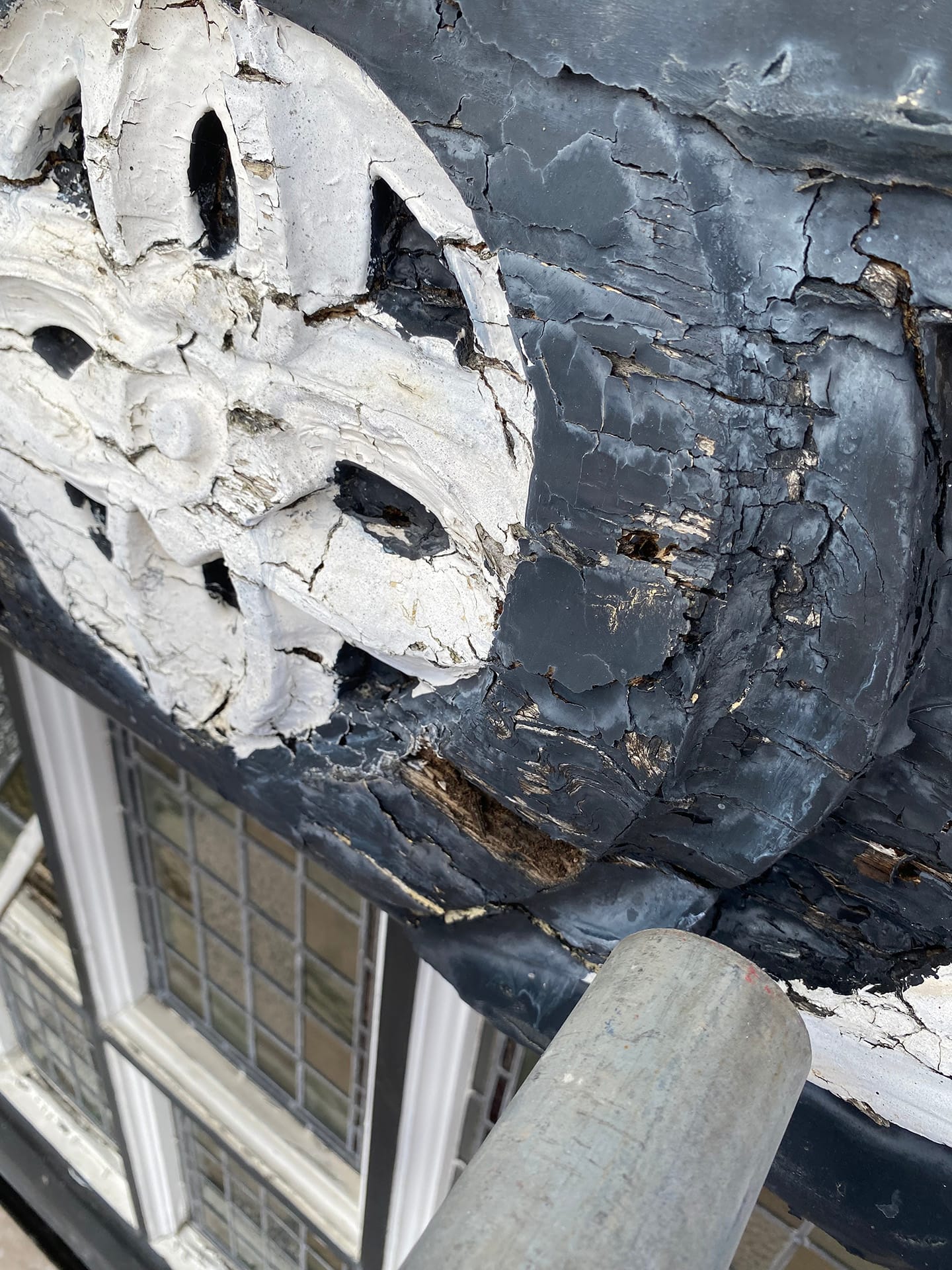
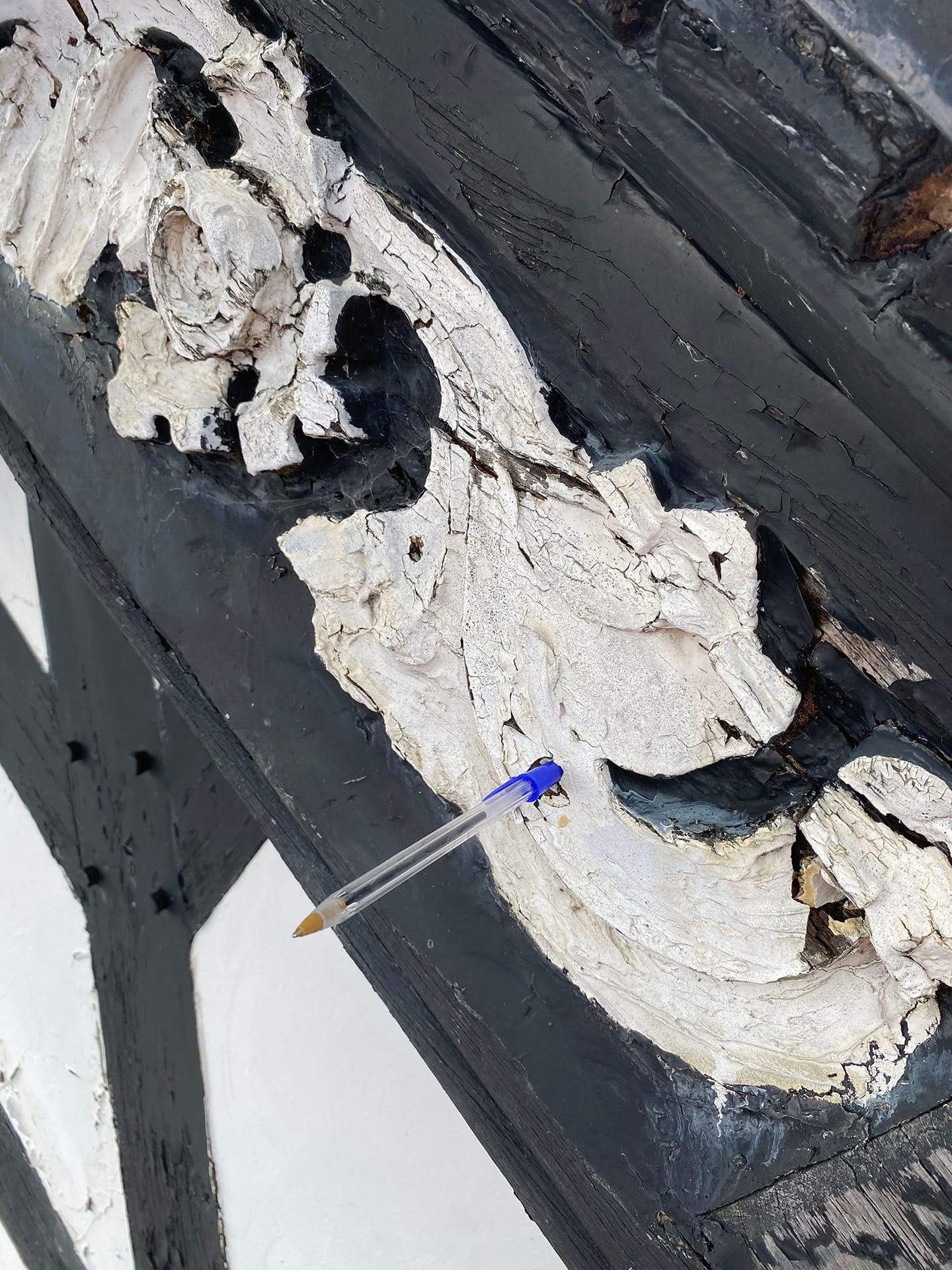
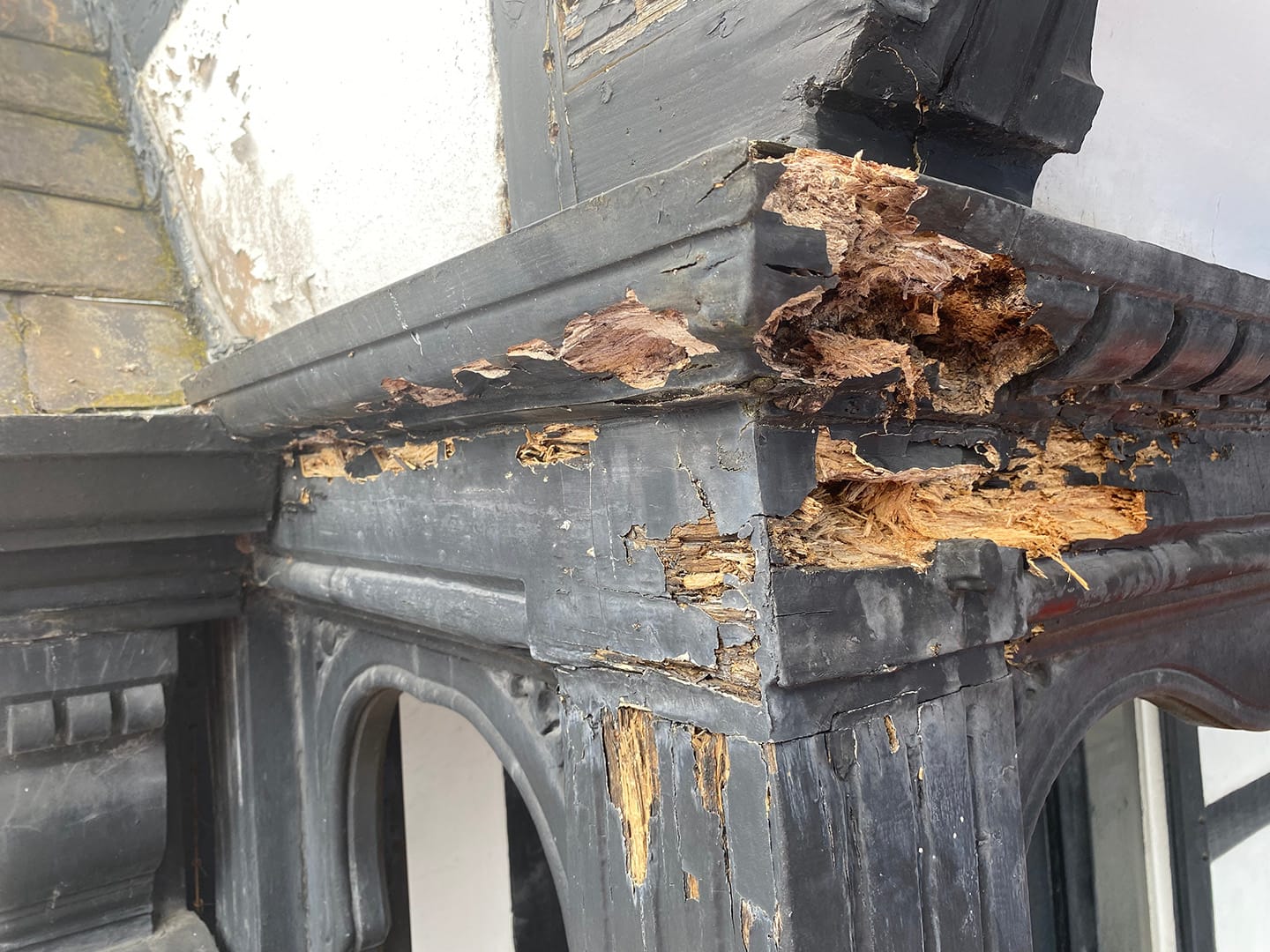
Wet rot is one of the most common forms of timber decay found within historic and traditional buildings. It occurs when timber is exposed to excessive moisture over a prolonged period, allowing fungal growth to break down timber fibres and reduce structural strength.

Common signs include:

  • Soft or spongy timber
  • Cracking or splitting timber
  • Dark staining and discolouration
  • Flaking paint finishes
  • Localised areas of decay

Successful repairs begin by identifying and eliminating the source of moisture. Depending on the extent of deterioration, repairs may involve localised timber repairs, spliced repairs or the replacement of individual sections.

Dry Rot

Dry rot is one of the most serious forms of timber deterioration found within buildings. Unlike wet rot, it can spread beyond the original source of moisture and affect larger areas of a structure if left untreated.

Common signs include:

  • Cuboidal cracking
  • Dry, brittle timber
  • White or grey fungal growth
  • Orange spore dust
  • Fruiting bodies

Effective repairs begin with identifying and addressing the source of moisture. Depending on the extent of deterioration, repairs may include localised repairs, timber replacement and improvements to ventilation and moisture management.

Insect Attack

Wood-boring insects such as woodworm and deathwatch beetle can cause deterioration within structural and decorative timber elements. Whilst some infestations are historic and inactive, others may require intervention to prevent further damage.

Common signs include:

  • Exit holes within timber surfaces
  • Fine wood dust (frass)
  • Tunnels within exposed timber
  • Localised weakening of timber elements

Repairs begin with determining whether the infestation is active and assessing the extent of any structural deterioration. Where required, specialist treatment may be combined with timber repairs or strengthening works.

Structural Failure

Age, environmental conditions, moisture and previous alterations can all contribute to structural deterioration over time.

Common signs include:

  • Cracking and splitting
  • Deflection or sagging
  • Distortion and movement
  • Failed joints and connections
  • Localised timber decay

Repair solutions may range from localised strengthening works through to the replacement of individual structural elements, depending on the nature and severity of the defect.

Survey Pic

Timber Surveys

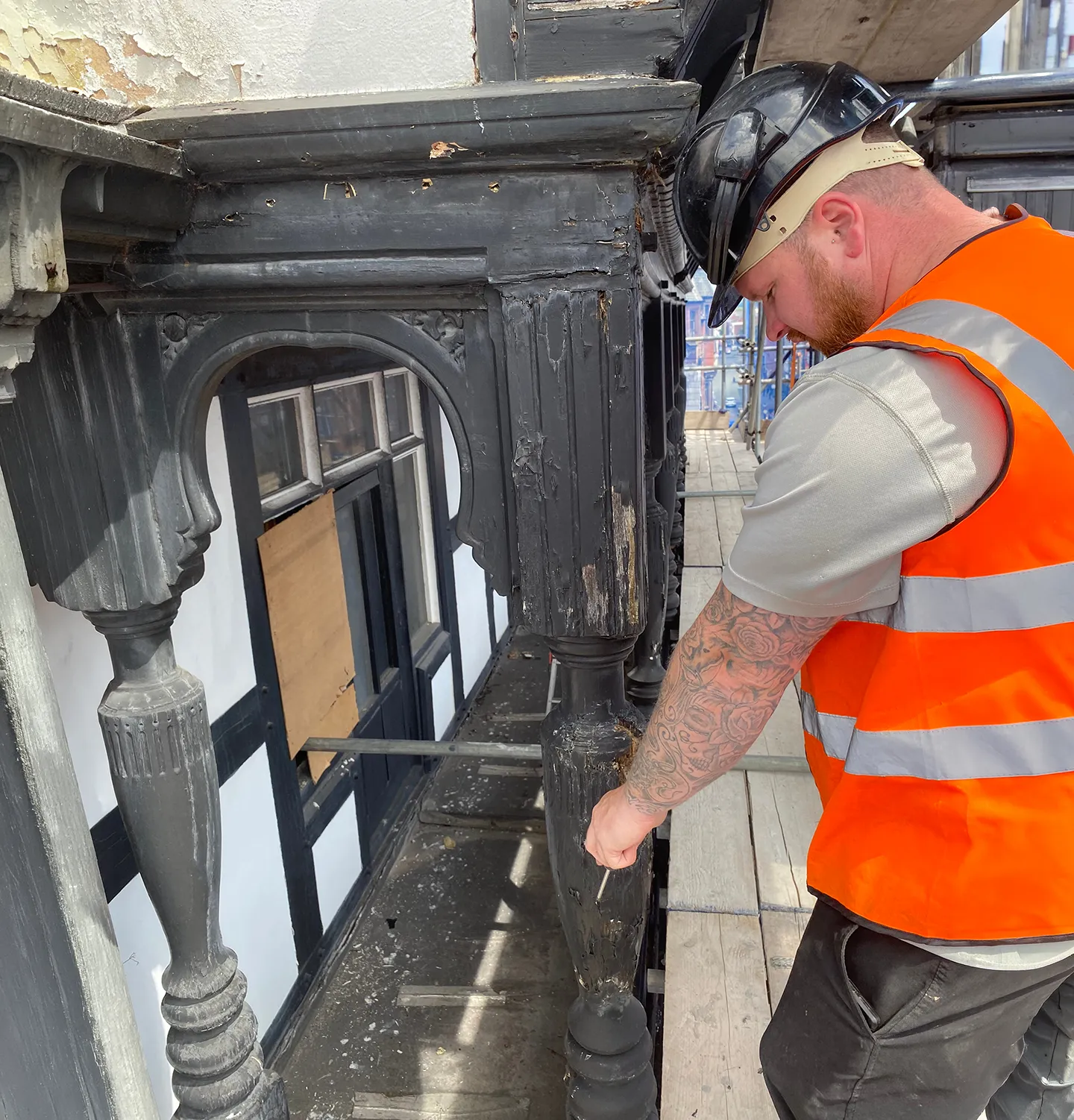
Before any repair strategy can be developed, it is important to understand the condition of the timber, identify the causes of deterioration and assess the extent of any structural defects.

Timber surveys may involve visual inspections, opening-up works, moisture testing and structural assessment. By accurately identifying wet rot, dry rot, insect attack and structural defects, timber surveys provide the foundation for effective timber restoration and long-term building performance.

Timber Repair Techniques

Resin Repairs

Resin repair systems can restore the structural integrity of deteriorated timber whilst retaining a significant proportion of the original element. They are particularly effective where deterioration is localised and the retention of existing timber is a priority.

Spliced Timber Repairs

Spliced repairs involve removing only the deteriorated section of timber and replacing it with a carefully matched section of new timber. This approach retains as much sound material as possible and is widely used on historic structures.

Timber Replacement

Where deterioration is too extensive for repair, replacement may become necessary. Replacement works should replicate the original dimensions, detailing and appearance of the existing timber whilst ensuring long-term durability and structural performance.

Strengthening Techniques

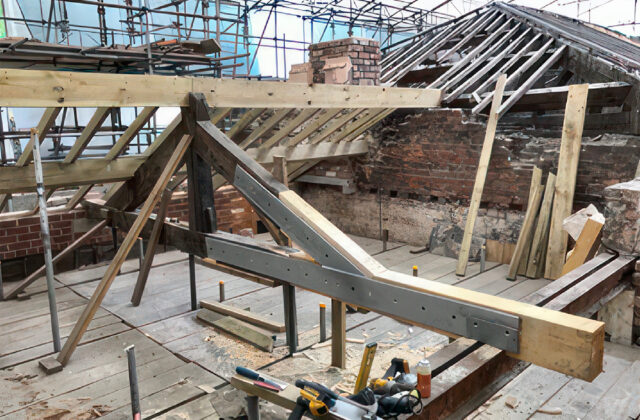
In some situations, timber elements may remain largely sound but require strengthening to meet structural requirements. This can be achieved through additional timber members, steel reinforcement or specialist repair systems.

Frequently Asked Questions

How much timber can be repaired before replacement is required?

There is no fixed rule. The extent of repair will depend on the condition of the timber, its structural role and the significance of the building. In many cases, localised repairs can retain a substantial proportion of the original timber.

Is resin repair suitable for listed buildings?

Yes. Resin repairs can be an effective solution where deterioration is localised and the retention of historic fabric is a priority. The suitability of any repair should be assessed on a project-by-project basis.

What is the difference between wet rot and dry rot?

Wet rot is caused by prolonged exposure to moisture and generally remains confined to affected areas. Dry rot is a fungal decay that can spread beyond the original source of moisture and affect larger areas of a building if left untreated.

How long do timber repairs last?

The lifespan of a timber repair depends on the repair method, environmental conditions and ongoing maintenance. When correctly designed and executed, repairs can provide long-term structural performance and durability.

Can historic timber be strengthened?

Yes. Many historic timber elements can be strengthened using specialist repair and reinforcement techniques, allowing original material to be retained whilst improving structural performance.

Timber Restoration CPD

Quadriga offers a CPD presentation focused on timber deterioration, repair methodologies and conservation-led restoration techniques.

Suitable for:

Request CPD

Contact Us

Complete the form below to tell us about your survey requirements or call us on 01606 330 888 to discuss your project with one of our team.

    Sign up to our newsletter

    Receive all the latest news and information about our project services and events.